



Why Use an On-Site Sani-Dump Station Before Storing Your Rig?
Storing an RV with holding tanks that still contain waste is one of the most common—and most avoidable—mistakes owners make. What seems like a time-saver at the end of a trip often leads to stubborn odors, compacted solids, damaged sensors, and messy surprises the next time you open the valves. However, taking a few extra minutes to empty black and gray tanks at an on-site sani-dump station before storage prevents these problems and protects both the vehicle and your future trips. Moreover, facilities that offer this convenience alongside secure storage space make the process seamless for local owners, travelers, and small businesses alike. Therefore, understanding why proper dumping matters—and how it fits into smart RV storage—helps you maintain a cleaner, more reliable rig year-round.
Preventing Odors, Bacteria, and Long-Term Tank Damage
How Residual Waste Creates Problems Over Time
When liquid evaporates from holding tanks during storage, solids, paper, and residue concentrate and harden against the tank walls. However, this buildup fuels bacterial growth and persistent odors that can migrate into the living area. Moreover, dried waste frequently interferes with tank sensors, producing false full or empty readings that complicate future trips. Emptying tanks completely at a sani-dump station removes the source material before these issues develop.
The Role of Moisture and Temperature
In warmer climates, residual moisture accelerates microbial activity; in colder conditions, any remaining water risks freezing and stressing tanks or fittings. Therefore, a thorough dump followed by proper rinsing leaves the system in a stable, low-risk state. Using an on-site station at the storage facility eliminates the need for a separate stop and ensures the job is done immediately before the rig is parked for the season or between trips.
Protecting Seals, Sensors, and Valves
Dried waste and mineral deposits can degrade rubber seals and valve components over months of inactivity. However, starting storage with clean, empty tanks reduces this wear and keeps the system ready for reliable operation later. This simple step supports overall plumbing longevity and contributes to a more pleasant ownership experience.
The Correct Dumping Sequence and Best Practices
Black Tank First, Gray Tank Second
Always empty the black tank before the gray tank. The black tank contains toilet waste and solids that require sufficient liquid volume to flush cleanly. However, once the black tank is empty, opening the gray tank allows soapy rinse water to flush residual material through the sewer hose. This sequence also keeps the hose cleaner and reduces the chance of messes at the dump station. Completing both steps thoroughly is essential before any extended storage period.
Flushing and Treatment After Dumping
A clear elbow or visual inspection helps confirm that flow has run clear. Therefore, many experienced RVers follow the initial dump with a freshwater rinse or tank-flush cycle when available. Adding an appropriate holding-tank treatment afterward further discourages odor and residue during storage. Performing these steps at an on-site sani-dump station streamlines the process and removes the logistical hurdle of finding a separate facility.
Short-Term Versus Long-Term Storage Considerations
For very short gaps between trips in mild weather, some owners leave treated liquid in the tanks. However, for anything beyond a few weeks—or whenever freezing is possible—complete emptying is the safer standard. On-site access makes it practical to follow the more thorough approach every time the rig goes into storage.
Convenience and Cleanliness Benefits of On-Site Dump Stations
Eliminating Extra Stops and Scheduling Hassles
Searching for an open public dump station after a long drive adds time, stress, and sometimes fees. However, facilities with a sani-dump station let owners empty tanks as part of arrival or storage. Moreover, this integration is especially valuable for local users who store seasonally and for travelers who need a reliable place to prepare the rig before longer storage periods. The result is a cleaner, more efficient workflow.
Supporting a Secure and Orderly Storage Environment
Properly emptied tanks reduce the risk of leaks or odors inside a shared storage facility. Using the on-site station also helps keep the environment pleasant for everyone. Combined with strong storage security features—such as video surveillance, controlled access, and professional oversight—this attention to detail elevates the overall quality of RV storage units in McClellan Park.
Time Savings for Busy Owners and Businesses
Homeowners, frequent travelers, and small businesses that rely on recreational or specialty vehicles often operate on tight schedules. However, consolidating dumping and storage at one location removes an extra errand. This practical convenience reinforces the value of choosing a facility designed around real-world RV needs, not just basic parking.
How Proper Tank Prep Enhances Overall Storage Success
Protecting Interior Air Quality and Resale Value
Lingering odors and residue can affect the living space and, over time, influence the RV's condition. Moreover, a well-maintained plumbing system supports higher resale or trade-in value. Emptying tanks before storage is a low-effort habit that delivers outsized returns in cleanliness and long-term preservation.
Integrating Dumping into a Complete Storage Checklist
Best practice includes emptying tanks, rinsing, treating, securing valves, and addressing other systems such as batteries, tires, and seals. Therefore, an on-site sani-dump station becomes a natural first step in that checklist. Facilities that offer this amenity alongside flexible RV storage rental in McClellan Park make comprehensive preparation easier to complete consistently.
Peace of Mind During Extended Absences
Knowing the tanks are empty and the rig is parked in a secure environment allows owners to focus on other priorities. However, this confidence is strongest when both the dumping process and the storage facility itself meet high standards. Choosing a location that provides both elements simplifies responsible RV ownership.
Conclusion: Empty Tanks Today for a Better Experience Tomorrow
Using an on-site sani-dump station before storing your rig is one of the highest-impact maintenance steps an RV owner can take. However, it prevents the odors, compacted solids, sensor failures, and potential freeze damage that commonly result from leaving waste in the tanks. Moreover, it keeps the vehicle cleaner, protects plumbing components, and supports a more pleasant environment inside the storage facility. Therefore, making this step a non-negotiable part of every storage routine—especially when the station is available on-site—saves time, money, and frustration over the long term. Local owners, travelers, and small businesses all benefit from the combination of proper tank preparation and reliable, secure storage space. Commit to emptying the tanks thoroughly, follow the correct sequence, and store with confidence knowing your rig is ready for the next adventure.
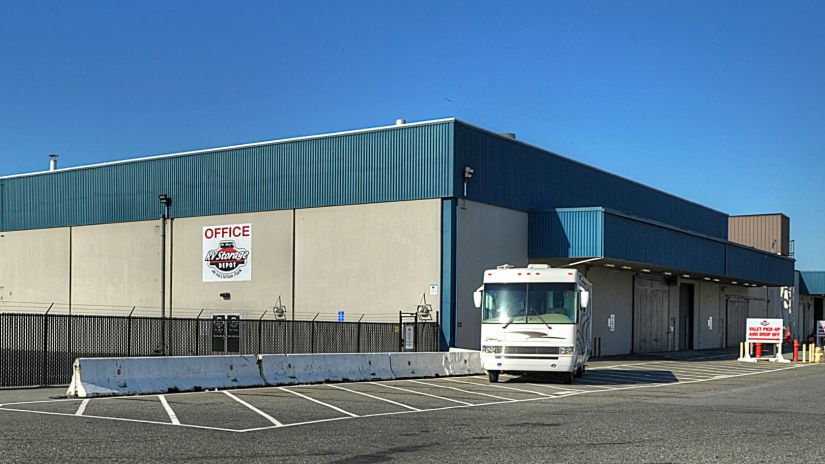
Whether you need to empty black and gray tanks conveniently before storage or require secure, well-equipped space for your motorhome, trailer, or boat, RV Storage Depot in McClellan Park, CA can help. Located at 4805 Urbani Way with indoor valet parking options, an on-site dump station, video surveillance, and strong security features, the facility makes it easy to prepare your rig properly and store it safely—delivering practical RV storage rental in McClellan Park and reliable RV storage units in McClellan Park that support clean tanks, protected vehicles, and stress-free transitions between trips.


