




How To Prevent Flat Spots & UV Cracking While Your Rig Is Stationary
For many RV enthusiasts, the off-season is a period of rest—but for your rig’s tires, it is a period of intense, static stress. Whether you are parking your motorhome after a cross-country tour or storing your travel trailer for the winter, your tires are under constant siege. The sheer weight of a fully loaded rig, combined with the relentless assault of California’s solar radiation, creates a perfect storm for tire failure. Have you ever noticed a strange vibration in your steering wheel after your first few miles back on the road? Or perhaps you've seen those tiny, spider-web cracks along the sidewall? These are not merely cosmetic issues; they are the early warning signs of flat spots and UV dry rot. If left unaddressed, these structural compromises can lead to dangerous blowouts at highway speeds. However, by understanding the mechanics of tire degradation and utilizing the right secure RV storage facility, you can significantly extend the lifespan of your tires. Reclaiming your peace of mind starts with a proactive storage strategy that prioritizes the health of your rig's foundation.
1. The Mechanics of Flat Spots and Why Weight Management Matters
Flat spotting occurs when the weight of a stationary vehicle stays concentrated on one section of the tire’s footprint for an extended period. Over time, the rubber compound "remembers" this flattened shape, which can lead to permanent structural damage or, at the very least, a rough and jarring ride once you hit the road again.
Maintaining Optimal Tire Inflation Levels
The first line of defense against flat spots is proper inflation. Before moving your vehicle into an RV storage rental in Irvine, ensure your tires are inflated to the manufacturer’s maximum recommended cold pressure. Underinflated tires have a larger footprint and a more flexible sidewall, making them far more susceptible to flattening. Therefore, checking your tire pressure monthly during the storage period is essential. Moreover, using a high-quality digital gauge ensures accuracy, helping you catch slow leaks before they cause a tire to rest on the rim.
The Role of Weight Distribution and Jack Stands
Reducing the load your tires must carry is another effective strategy. Whenever possible, empty your water tanks and remove heavy gear before long-term storage. For those seeking the ultimate protection, utilizing jack stands to take the weight off the axles is a professional-grade solution. By elevating the rig slightly, you eliminate the static pressure on the tire carcass entirely. However, if jack stands are not an option, placing the RV on specialized "tire cradles" or curved leveling blocks can help distribute the weight more evenly around the tire’s circumference, mitigating the severity of the flat spot.
2. Defending Against UV Cracking with Solar Shielding Strategies
While flat spots are a physical deformation, UV cracking (or dry rot) is a chemical breakdown. Tires contain waxes and antioxidants that are designed to be released as the tire rolls. When a rig sits stationary, these protective chemicals don't circulate, leaving the rubber vulnerable to the sun’s ultraviolet rays and ozone.
The Necessity of High-Quality Tire Covers
In the sunny corridors of Southern California, solar radiation is the primary cause of premature tire aging. Therefore, investing in UV-resistant tire covers is non-negotiable for anyone utilizing outdoor RV storage units in Norwalk. These covers act as a physical barrier, blocking 100% of the sun’s rays and keeping the rubber cool. When selecting covers, look for breathable materials that prevent moisture buildup while offering a snug fit. Moreover, ensure the covers extend all the way to the ground to protect the bottom edge of the tire, which often catches reflected heat from the pavement.
Chemical Protectants and Cleaning Protocols
Before putting your rig into storage, give your tires a thorough cleaning with mild soap and water. Removing road salts, oils, and brake dust prevents these contaminants from eating away at the rubber during the months of dormancy. Once dry, applying a water-based tire protectant with UV inhibitors can add an extra layer of chemical defense. However, you must avoid petroleum-based products or high-gloss "tire shines," as these can actually accelerate the breakdown of the tire's internal antioxidants. A matte-finish, aerospace-grade protectant is the expert's choice for long-term preservation.
3. Surface Selection and Environmental Control in Storage
Where you park your rig is just as important as how you park it. The surface beneath your tires can leach chemicals out of the rubber or trap moisture against the tread, leading to accelerated rot.
Avoiding the Dangers of Bare Ground and Asphalt
Parking your RV on grass, dirt, or even hot asphalt can be detrimental. Soil holds moisture that promotes dry rot, while asphalt contains oils that can interact negatively with tire compounds. Therefore, if your storage space is not concrete, you should use "tire pads" or plastic leveling blocks to create a barrier between the rubber and the ground. This simple step prevents moisture migration and chemical leaching. Moreover, choosing a facility that offers paved, well-drained RV storage space ensures your tires aren't sitting in puddles during the rainy season.
The Benefits of Indoor and Covered Storage Options
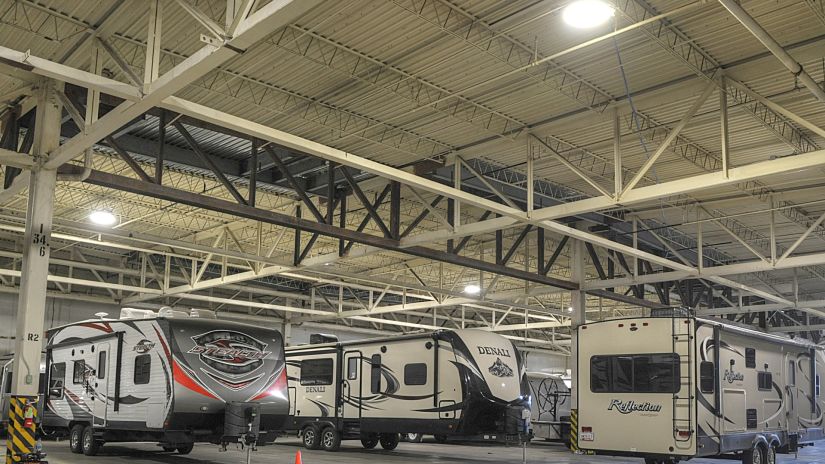
For those with high-value rigs, an indoor or covered RV storage rental in Irvine offers the highest level of environmental security. By removing the rig from the direct sun and extreme temperature fluctuations, you virtually eliminate the risk of UV cracking. Indoor facilities also protect your tires from ozone, a gas that is particularly prevalent in urban areas like Norwalk and can cause rubber to become brittle. While covered storage may carry a higher monthly cost, the affordability of storage units is easily justified when compared to the multi-thousand-dollar expense of replacing a full set of heavy-duty RV tires.
4. Strategic Movement: The "Once-a-Month" Maintenance Routine
One of the most effective ways to combat both flat spots and chemical stagnation is simply to move the vehicle. Static rubber is dying rubber; dynamic rubber is healthy rubber.
The Importance of Regular Tire Rotation
If your storage facility allows for easy access, aim to move your rig at least once every 30 to 45 days. You don't need to take a full trip; moving the vehicle forward or backward just a few feet is enough to change the tire’s contact point with the ground. This redistributes the weight and prevents a permanent set from forming in the sidewall. Moreover, this movement helps flex the rubber, which helps migrate those internal protective waxes to the surface.
Performing a Visual Safety Inspection
Every time you visit your rig to move it, perform a quick visual inspection. Look for "checking" (fine cracks) in the tread grooves and sidewalls. Check for bulges or signs of rodent damage, as pests in some lots can occasionally chew on valve stems or tires. Furthermore, verify that your storage security features are intact and that your rig hasn't been disturbed. Consistent monitoring allows you to catch minor issues before they become catastrophic failures, ensuring that when the time comes to head out on your next adventure, your rig is as ready as you are.
Conclusion
In conclusion, preventing flat spots and UV cracking is an essential part of responsible RV ownership. By maintaining proper inflation, utilizing high-quality covers, and selecting a storage environment that protects against the elements, you are making a direct investment in the safety and longevity of your vehicle. The combination of physical weight management and chemical protection ensures that your tires remain supple and structurally sound, even during long periods of inactivity. Don't let the silent threats of static storage compromise your next road trip. Implement these expert strategies today, and you’ll enjoy a smoother ride and greater peace of mind for years to come. Remember, your tires are the only thing between your family and the road—treat them with the care they deserve.
RV Storage Depot is the premier solution for Southern California owners looking to protect their rigs from the harsh realities of long-term parking. With convenient RV storage rentals in McClellan Park and high-capacity RV storage units in Altamonte Springs, we provide the ideal environment for implementing your tire protection strategy. Our facilities offer a range of options, from outdoor spaces to premium indoor storage that shields your tires completely from UV damage and ozone. We prioritize your rig's safety with robust storage security features, including gated access and 24/7 surveillance, while our spacious layouts make it easy for you to perform your monthly tire rotations and pressure checks. Trust RV Storage Depot to provide the secure, professional storage space your investment needs to stay road-ready.


